I. Introduction
Mobile phones have become an essential part of our lives. They help us stay connected with our loved ones, work remotely, and keep us entertained. With the increasing use of smartphones, the need for protecting them has also become crucial. A phone case is an effective way to safeguard your phone from scratches, drops, and other damages. But choosing the right type of phone case can be a daunting task. There are two main types of phone cases- hard and soft cases. In this blog, we will explore the pros and cons of hard and soft cases and help you decide which one is better for your phone.
II. Pros and Cons of Hard Cases
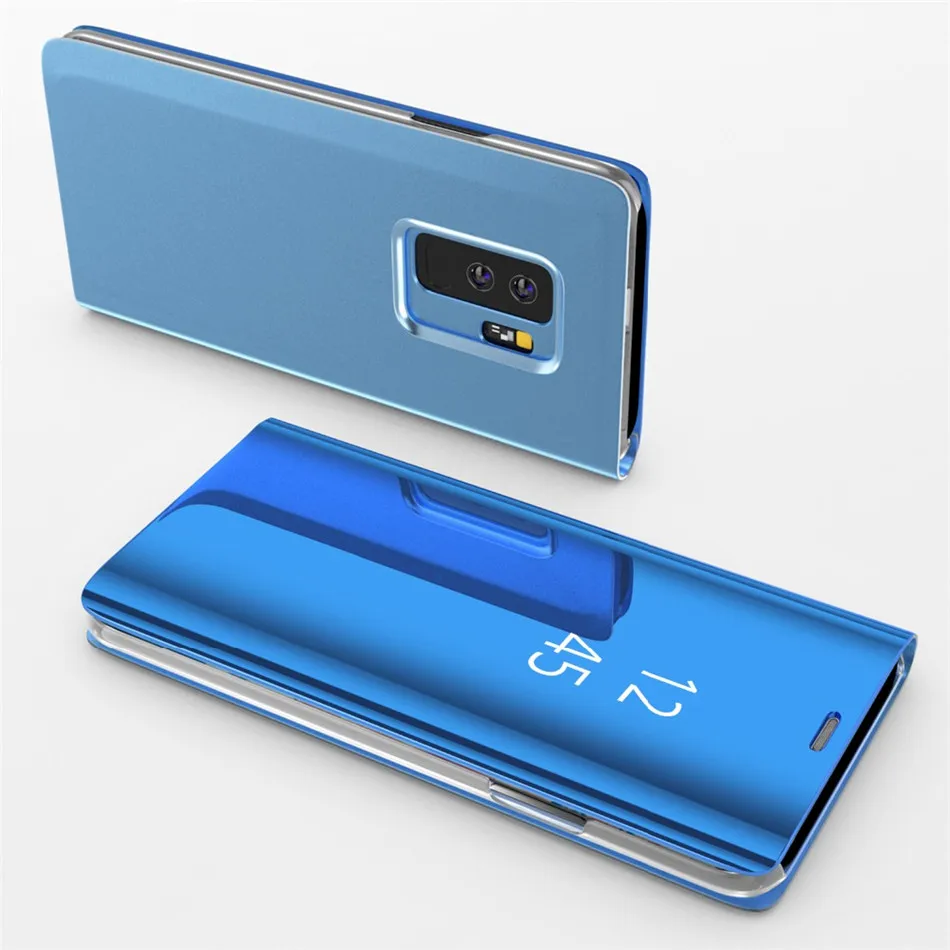
Hard cases, also known as rigid cases, are made of tough materials such as polycarbonate, metal, or carbon fiber. They are designed to provide maximum protection to your phone, especially in case of accidental drops or impacts. Here are some of the advantages and disadvantages of hard cases:
Advantages of Hard Cases:
-
Durability: Hard cases are known for their durability. They are made of tough materials that can withstand rough handling, accidental drops, and other impacts. They provide a sturdy layer of protection to your phone and prevent it from getting damaged.
-
Maximum Protection: Hard cases provide maximum protection to your phone. They cover the entire phone, including the corners and edges, and prevent it from getting scratched, dented, or cracked. They are ideal for people who lead an active lifestyle or work in rugged environments.
-
Minimal Maintenance: Hard cases require minimal maintenance. They do not attract dust or dirt, and you can easily clean them with a damp cloth. They also do not lose their shape or color over time, making them a wise investment.
Disadvantages of Hard Cases:
-
Bulkiness: Hard cases are bulkier than soft cases. They add extra weight and thickness to your phone, making it difficult to carry around in your pocket or purse. They also make it challenging to access the buttons and ports of your phone.
-
Limited Design Options: Hard cases have limited design options. They are mostly available in solid colors or simple patterns, making it challenging to find a case that matches your style or personality.
-
Expensive: Hard cases are more expensive than soft cases. They are made of high-quality materials and provide maximum protection, which makes them a costly investment.
III. Pros and Cons of Soft Cases
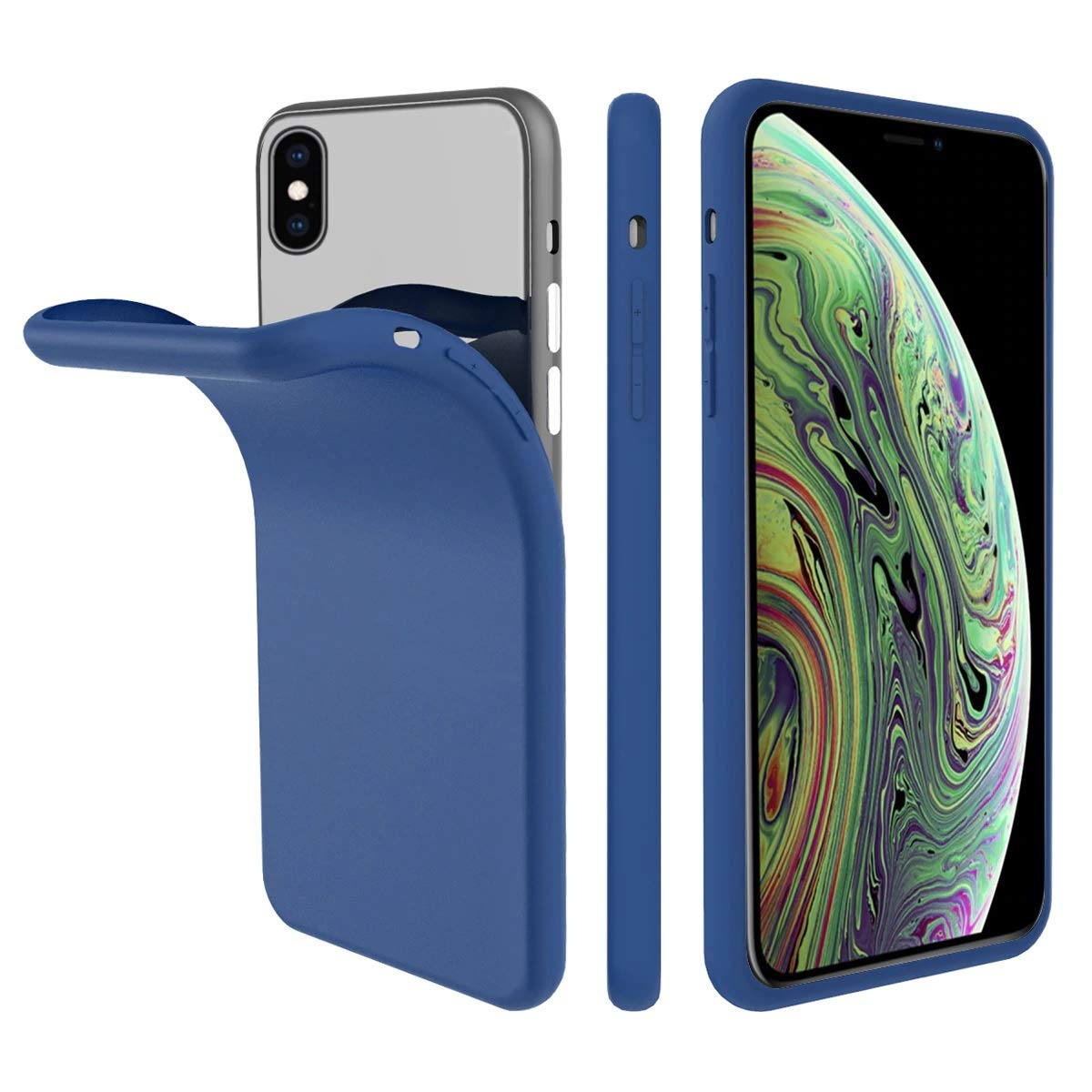
Soft cases, also known as flexible cases, are made of materials such as silicone, TPU, or rubber. They are designed to provide basic protection to your phone while maintaining its slim profile. Here are some of the advantages and disadvantages of soft cases:
Advantages of Soft Cases:
-
Lightweight: Soft cases are lightweight and slim, making them easy to carry around. They do not add extra weight or thickness to your phone and maintain its slim profile.
-
Variety of Design Options: Soft cases come in a variety of design options. They are available in different colors, patterns, and prints, making it easy to find a case that matches your style or personality.
-
Affordable: Soft cases are affordable and cost less than hard cases. They are an excellent option for people who want basic protection for their phone without spending a lot of money.
Disadvantages of Soft Cases:
-
Less Protection: Soft cases provide less protection to your phone than hard cases. They are not designed to withstand heavy impacts or drops, and your phone may still get damaged if it falls from a significant height.
-
Prone to Wear and Tear: Soft cases are prone to wear and tear. They may lose their shape or color over time, and the material may start to peel or crack. You may need to replace them frequently, which can be costly in the long run.
-
Maintenance: Soft cases require regular maintenance. They attract dust and dirt, and you may need to clean them frequently to keep them looking new.
IV. Factors to Consider When Choosing a Case
Choosing the right type of phone case depends on several factors, such as your phone model and size, lifestyle and usage habits, and personal preferences and style. Here are some factors to consider when choosing a case:
-
Phone Model and Size: The type of case you choose should fit your phone model and size. If you have a larger phone, such as an iPhone 11 Pro Max or Samsung Galaxy S20 Ultra, a hard case may be a better option as it provides maximum protection. If you have a smaller phone, such as an iPhone SE or Samsung Galaxy A51, a soft case may be sufficient.
-
Lifestyle and Usage Habits: Your lifestyle and usage habits also play a role in choosing a phone case. If you lead an active lifestyle or work in rugged environments, a hard case may be a better option as it provides maximum protection. If you use your phone mostly indoors or in a controlled environment, a soft case may be sufficient.
-
Personal Preferences and Style: Your personal preferences and style should also be considered when choosing a phone case. If you prefer a sleek and slim profile, a soft case may be a better option. If you prefer a more rugged and durable case, a hard case may be a better option.
V. Conclusion
Choosing the right type of phone case is crucial in protecting your phone from scratches, drops, and other damages. Hard cases provide maximum protection to your phone but can be bulky and expensive. Soft cases are lightweight and affordable but provide less protection and require regular maintenance. When choosing a case, consider your phone model and size, lifestyle and usage habits, and personal preferences and style. Ultimately, the choice between a hard or soft case depends on your individual needs and preferences. Choose the one that best suits your lifestyle and provides the protection your phone needs.